lydiawilsonfoundation

‘People will die’: Chaos and mounting fear in Uganda as USAID cuts lead to ‘total panic’ and HIV clinic closures

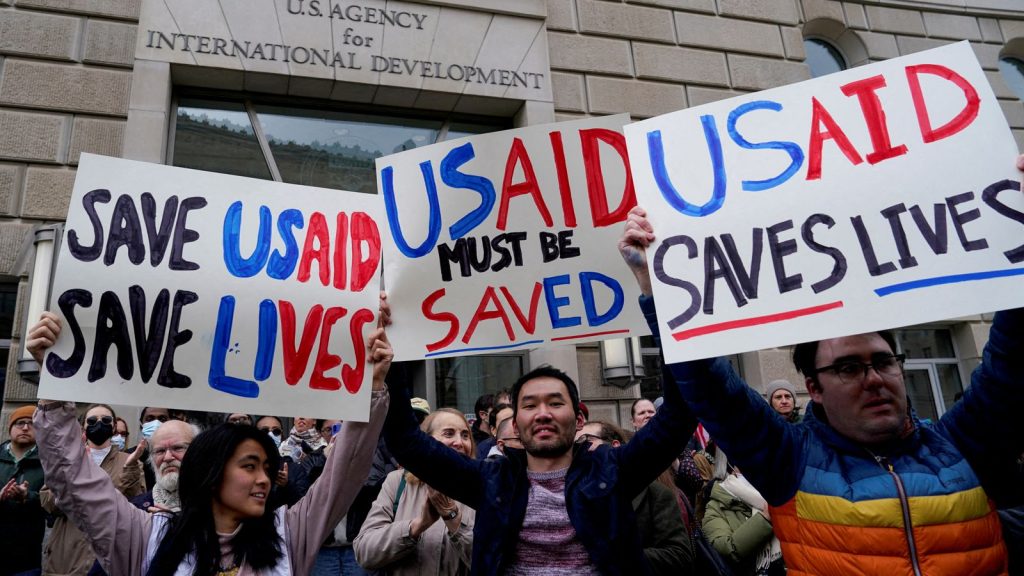
In what will be seen as a signature act of the new Trump administration, the president and his team have denounced and dismembered the US government’s international assistance arm, USAID, in a matter of three weeks. It is a decision that will have serious, real-world consequences – and the impact is already being felt in countries such as Uganda. The health ministry in Uganda has announced its intention to shut all dedicated HIV/AIDS and tuberculosis (TB) clinics in the country. Stand-alone pharmacies supplying antiretroviral drugs will also be closed. These facilities provide HIV treatments and preventative therapies to millions of people in Uganda, including an estimated 1.5 million currently living with the virus. An official said the closure of HIV clinics was a necessary response as the country grapples with the loss of funding from USAID. A medical clinic officer examines an unidentified transgender and LGBTQ member, who is one of their patients at the Ice Breakers Uganda (IBU) clinic in Makindye that supports HIV/AIDS programmes and treatment for the LGBTQ community in Salaama road, Kampala, Uganda June 1, 2023. REUTERS/Abubaker Lubowa/File PhotoImage:A medical officer examines a member of the LGBT+ community who is a patient at a clinic in Uganda. File pic: ReutersDirectors and staff at the country’s public hospitals have been instructed to offer the same services at their outpatients and chronic care departments. A USAID initiative called the President’s Emergency Plan For AIDS Relief – or PEPFAR – has bankrolled much of Uganda’s HIV/AIDS relief plan and it’s an initiative that has wielded impressive results. Specially trained staff and dedicated clinics are credited with bringing infection rates down from 19% in the late 1990s to 5% in 2024. ‘We are still reeling’ Flavia Kyomukama, from the National Forum of People Living with HIV/AIDS Networks Uganda (NAFOPHANU), said she was stunned by Donald Trump’s decision. “We are still reeling from the shock of what they have done, it is very difficult to understand,” she said. “There was a memorandum of support [between both countries], there was roadmap [towards zero infections] and they make this decision in a day.” Flavia Kyomukama, from the National Forum of People Living with HIV/AIDS Networks in Uganda Shifting HIV/AIDS-related care to public hospitals is deeply problematic, Ms Kyomukama added. These facilities are often overwhelmed, and they offer little, or no, privacy. It is a serious issue in a country where those carrying the virus are badly stigmatised. “Surveys show 30% of health workers have a negative attitude towards people with HIV,” Ms Kyomukama said. “So, we’re going to see [patients] dropping out [of their treatment plans], drug resistance will increase and we will see more violence in hospital as people with HIV get attacked.” World is worryingly dependent on US – it now faces a major shock and impossible choicesJohn Sparks – Africa correspondentJohn SparksInternational correspondent @sparkomatThe Trump administration’s destruction of USAID will bring about the virtual collapse of the international aid and development system, experts have warned. The US government puts far more money into humanitarian assistance than any other country. In 2023, the most recent year for which data is largely complete, the Americans disbursed $71.9bn (£57bn) in foreign aid, representing 1.2% of total US government spending. It is a spending commitment that has remained remarkably consistent over the years. The Americans underwrite programmes in 177 individual countries with Ukraine registering as the biggest recipient in 2023. It received $16.6bn (£12.9bn) to maintain government services after the Russian invasion. PEPFAR, USAID’s best-known initiative, provides antiretroviral treatments to 20 million people infected with HIV/AIDS. The initiative supports NGO-run groups with an extended workforce of 350,000 people – with many employed at local clinics. The US also bankrolls key UN organisations, such as the refugee agency (UNHCR). Its total budget of $4.8bn (£3.8bn) is propped up by the Americans, who put in US$2bn (£1.6bn). Without this funding, it is difficult to see how UNHCR can continue to support tens of millions of refugees in countries including Sudan, Syria, Turkey and the Democratic Republic of Congo. If the residents of refugee camps are not supported with basic services, they are likely to move. The question then is how US funding compares to other donors – and the answer is startling. According to the UN’s real-time financial tracking service, Germany contributed funds in 2024 representing 8% of total humanitarian aid contributions, as did the European Union, with the United Kingdom at 6%. The world, then, is worryingly dependent on the United States. Former international aid worker turned consultant Thomas Byrnes said: “The modern humanitarian system has been shaped by a long-term commitment from the US. “For decades, organisations like the UN agencies have relied on this predictable funding stream to address global crises. “The world faces a major shock and I don’t think anyone is prepared for it.” To alleviate the situation, Mr Byrnes said other donors – such as the UK and Germany – will need to make up the funding shortfall from USAID. But that is highly unlikely to happen. The United Kingdom, currently contributing $2.1bn (£1.7bn), would need to contribute an additional $1.5bn (£1.2bn) – representing a 74% increase. For Germany, the required extra contribution would be $1.8bn (£1.5bn), representing a substantial increase of 70%. Furthermore, Trump’s move comes at a time when Germany, France, Sweden and others are planning deep cuts to international aid. The world is looking at a colossal funding gap – and a colossal crisis – as the number of people in need of humanitarian assistance rises to 305 million people, Mr Byrnes added. “We’re facing a perfect storm,” he said. “The brutal math means we’re heading toward humanitarian aid of just 17 cents per person per day. “This isn’t a funding dip – it’s a systemic shock that will force impossible choices about who receives help and who doesn’t. People will die as a result of this.” ‘It’s total panic right now’ Brian Aliganyira is the director of Ark Wellness Hub, a busy health clinic for
‘People will die’: Chaos and mounting fear in Uganda as USAID cuts lead to ‘total panic’ and HIV clinic closures Read More »

Healthcare in Africa on brink of crisis as US exits WHO and USAid freezes funds: health scholar explains why

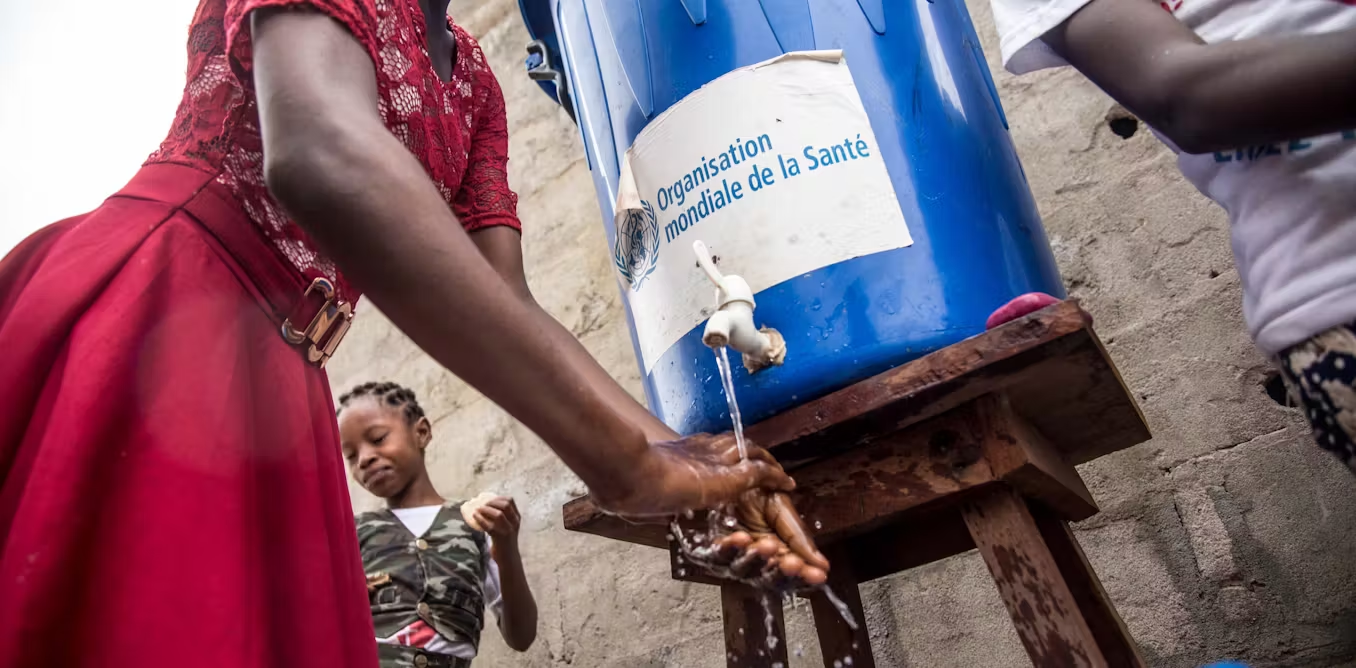
US president Donald Trump has taken a series of decisions that have delivered body blows to the global management of health. He has announced that the US will leave the World Health Organization. And a 90-day freeze has been placed on money distributed by the US Agency for International Development (USAid) pending a review by the US State Department. This includes funds for the President’s Emergency Plan for Aids Relief (Pepfar). The decisions have triggered alarm in the global health sector. Catherine Kyobutungi, executive director of the African Population and Health Research Center, outlines which countries are most at risk and which health programmes will suffer the most damage. What does the US exit mean for Africa?The US exit from the WHO and the freeze announced on USAid funding are devastating moves that will have drastic effects on the health of millions of people in Africa. The US is by far the WHO’s largest state donor, contributing approximately 18% of the agency’s total funding. US development aid is used to run large-scale health programmes on the continent. For example, Nigeria received approximately US$600 million in health assistance from the US, over 21% of the 2023 health budget. The WHO is a global health body that synthesises scientific research and develops guidelines that countries in Africa rely on to shape their own policies and practices. The biggest loss for Africa under the USAID umbrella will be funding for Pepfar, which is used for HIV-related programmes including prevention, testing and treatment. Through Pepfar, the US government has invested over US$110 billion in the global HIV/Aids response. What’s going to be lost?A range of capabilities. Firstly, technical guidance. The WHO provides technical guidance to countries on issues ranging from TB management to cost-effective malaria control. Secondly, the ability to mobilise resources. The WHO has the mandate and mechanisms to assemble experts from across the globe to evaluate new therapeutics, diagnostics and vaccines. They can evaluate new evidence on emerging patterns of new bugs, resistance to current treatments, and so on. Thirdly, the WHO has tools and mechanisms that have been key to African countries’ health policy decisions. These include: the WHO’s list of Essential Medicines to inform decision-making on critical drugs a similar mechanism to evaluate new vaccines, resulting in guidance that makes regulatory approval faster and easier in African countries which don’t have strong systems. Fourth, the WHO also provides resources for emergency response, as in the event of disease outbreaks such as Ebola and COVID-19. The WHO is able to quickly mobilise experts and funds and to coordinate emergency responses. Fifth, the WHO provides evidence-informed guidelines. It does this by gathering and sharing information like the causes of outbreaks, while monitoring signals of potential outbreaks and coordinating efforts to develop new technologies, such as vaccines and medical devices. Sixth, the WHO’s ability to support critical programmes in tuberculosis prevention and emergency response will be reduced. Seventh, the withdrawal of US citizens working in these global agencies – and the orders to stop sharing data – mean the US is essentially excluded from global information-sharing mechanisms that keep us all safe. It will be harder to share information about emerging health threats in the US with the rest of the world and vice versa. Which countries will be most affected?Many African countries are heavily reliant on the support provided by Pepfar and USAID to fund programmes in the health sector and for humanitarian assistance. Countries which will be most affected are those with a high burden of HIV, TB and malaria and those with large populations of refugee and internally displaced people. Currently the top eight USAid recipients in Africa are: Nigeria, Mozambique, Tanzania, Uganda, South Africa, Kenya, Zambia and the Democratic Republic of Congo. Without funds being rapidly mobilised to fill the gap left by the US withdrawal, the effect on the health of millions of Africans is at stake. Failure to prevent new infections, and the threat of drug resistance developing because of disrupted treatment, will have far-reaching consequences. In Uganda, where about 1.4 million people are living with HIV/Aids, 60% of the spending on its HIV/Aids programme was from Pepfar, and about 20% from the Global Fund (partly funded from Pepfar). A drastic reduction in funding will be devastating for patients and the greater health system. The Pepfar programme, a lifeline for millions of Africans, has been under threat since before the most recent aid freeze. In 2024, the American congress only gave a one-year authorisation instead of the typical five-year funding authorisation. A conservative backlash against this programme has been growing for years with concerns that some funds may be used to fund abortion. The current authorisation expires in March 2025 and falls within the 90-day aid review period. With the current approval expiring next month, and in light of the current atmosphere, it is very likely that it may not be renewed. Read more: How US policy on abortion affects women in Africa What steps should African countries be taking?There has a been a lot of discussion around jobs and lives lost, but not much around what happens next: how African governments are planning on mitigating shortfalls in their health budget in the short term and foreseeable future. Therefore we need to ask our governments what that means for us and how they are planning to ensure that we do not reverse the gains made so far. This includes preventing millions of HIV infections, improved testing and provision of life-saving antiretroviral treatment. The sudden and drastic decisions taken by the Trump administration have been hailed by several commentators as the wake-up call the continent needs – to wean itself off dependency on a flawed “development aid” system that is admittedly a tool for geopolitical influence. The disbelief and chaos in the global health sector should be rapidly mobilised into citizen action, for governments to invest in a critical sector that has depended on foreign assistance for too long. In the absence of sustained investment, the gains

Healthcare in Africa on brink of crisis as US exits WHO and USAid freezes funds: health scholar explains why Read More »

Trump’s USAID cuts threaten women’s empowerment program championed by daughter Ivanka

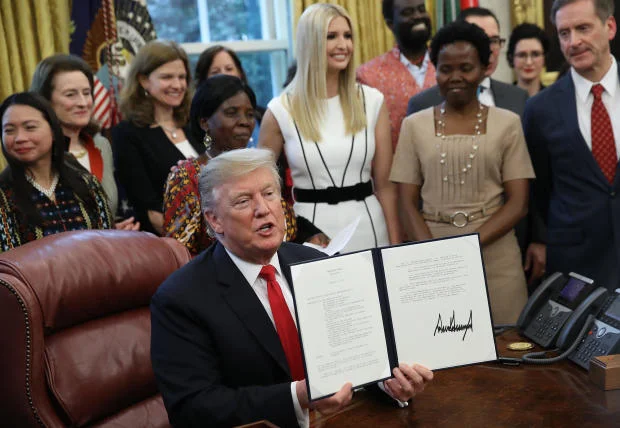
President Trump and Elon Musk’s attempt to gut the decades-old USAID agency is likely to end millions of dollars in U.S. funding earmarked for women’s economic empowerment across the globe, including programs championed during Mr. Trump’s first term by his daughter Ivanka. While Mr. Trump’s bid to put virtually all of the agency’s workers on leave is currently tied up in a U.S. court battle, the pause ordered by Secretary of State Marco Rubio at the end of January on all new U.S. foreign assistance programs funded by the State Department and USAID remains in place. The Women’s Global Development and Prosperity Initiative was intended to help 50 million women “realize their economic potential” by 2025, an issue the president’s daughter called at the time a crucial area in which Republicans and Democrats could find common ground. President Trump Signs Memorandum Launching The “Women’s Global Development And Prosperity” InitiativePresident Trump displays a signed National Security Presidential Memorandum in the Oval Office, Feb. 7, 2019 in Washington. With the memorandum, Mr. Trump launched the Women’s Global Development and Prosperity Initiative, led by his daughter Ivanka Trump, seen behind the president, standing next to Lillian Achom (2nd from left), a projects manager for AFCHIX, a network for women in technology.Win McNamee/GettyLillian Achom was a projects manager for AFCHIX, a network for women in technology, that was part of USAID’s Women Connect Challenge. In 2019, she was invited to the White House to meet Ivanka Trump, who was then an advisor to her father, and to attend the W-GDP announcement. To coincide with the launch, Ivanka Trump wrote a Wall Street Journal op-ed in which she said W-GDP would, “for the first time coordinate America’s commitment to one of the most undervalued resources in the developing world — the talent, ambition and genius of women.” Achom was one of nine grantees who were invited to the White House, where President Trump signed the memorandum in the Oval House on February 7, 2019. Mr. Trump’s administration pledged $50 million to W-GDP — to be allocated by USAID. Workers say Trump’s aid freeze could cost even more lives in war-torn SudanAchom told CBS News on Monday that while the president had made supportive comments about the initiative, Ivanka “was somebody who really cared,” saying the president’s daughter seemed genuinely concerned about women’s development and economic empowerment. “I could see that she really loves stories of our success, stories of how women are impacting communities around the globe,” Achom said. The first Trump administration later said the program had reached 12 million women in its first year. The Biden administration continued W-GDP’s work under the Gender Equity and Equality Action Fund, which invested $300 million in direct resources and another $200 million in indirect funding between 2021 and 2023, according to USAID documents provided to CBS News. Ivanka Trump did not immediately reply to a CBS News request for comment on the program or the USAID funding cuts. A State Department spokesperson, asked about the W-GDP program, noted to CBS News Rubio’s review of foreign assistance programs, “to ensure they are efficient and consistent with U.S. foreign policy under the America First agenda.” The spokesperson said the department was “judiciously reviewing all the waivers submitted” by various programs and personnel in a bid to keep aid flowing, and they said the results would be communicated “transparently.” One of the focuses of the W-GDP program was women’s access to technology, which still lags behind that of men globally. According to White House documents from the time, more than 1.7 billion women in low and middle-income countries did not own a mobile phone, and they were far less likely to use mobile internet. Rural communities in Africa have been less able to access new and emerging technologies, Achom explained, because of the cost of the internet and devices, but also because for many people, medical bills, education, and food remain the priorities. In northern Uganda, where the prevalence of HIV among women and children has historically been higher than in other parts of the country, additional USAID funding provided through the aid relief program, PEPFAR, gave communities access to ongoing supplies of antiretroviral drugs. Such support is limited from Uganda’s own government because of its restrained finances, Achom said. “USAID has really treated those in the community like their friend,” she said. “Like their number one friend, I should say, because they’ve visited them, they’ve given them grants, not only to support them with medical facilities and access to medicine, but to access economic empowerment.” USAID funding was also consistent and reliable, unlike some other programs, and shutting down agency-funded programs, Achom said, will affect more than just women’s access to technology. “The ability of the entire community to move out of poverty is really going to be slowed down or compromised,” she told CBS News.

Trump’s USAID cuts threaten women’s empowerment program championed by daughter Ivanka Read More »

Lydia Wilson Foundation Newsletter January 2025

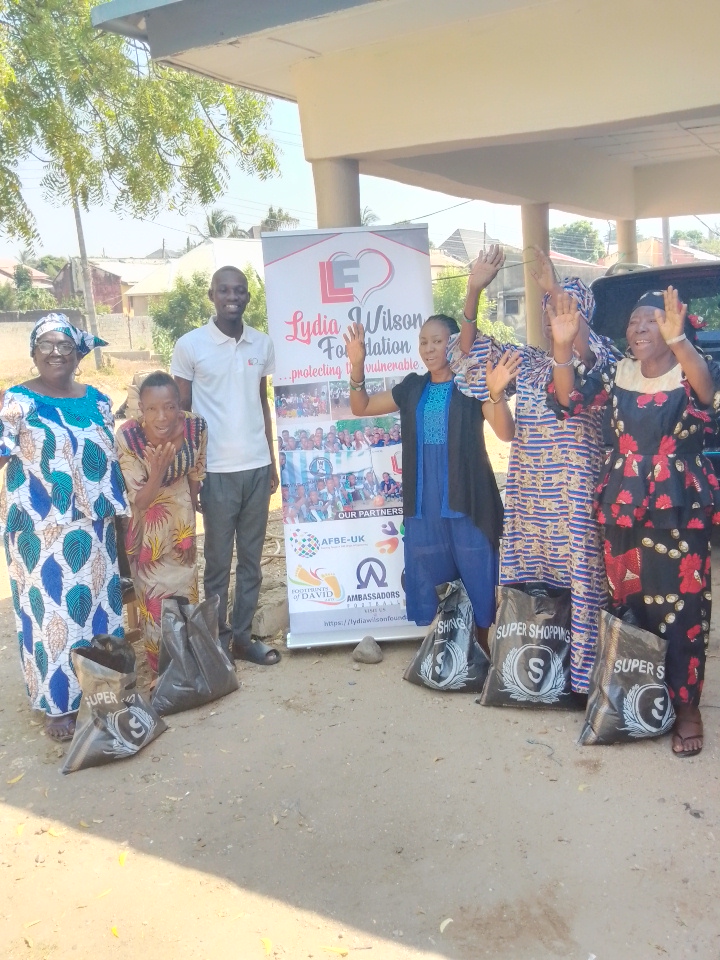
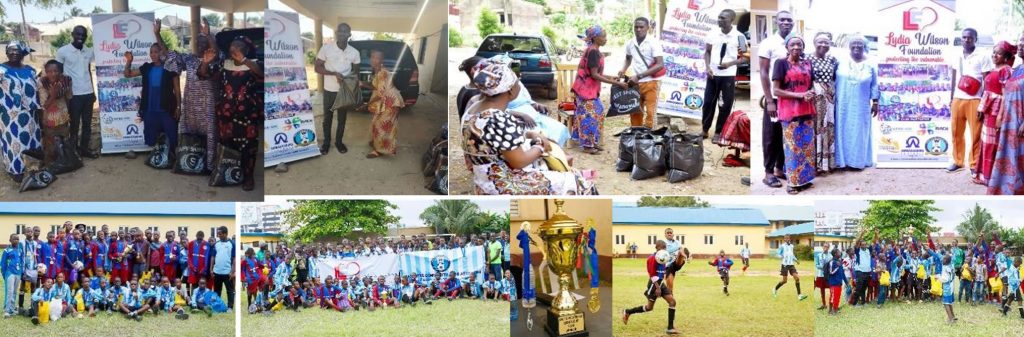
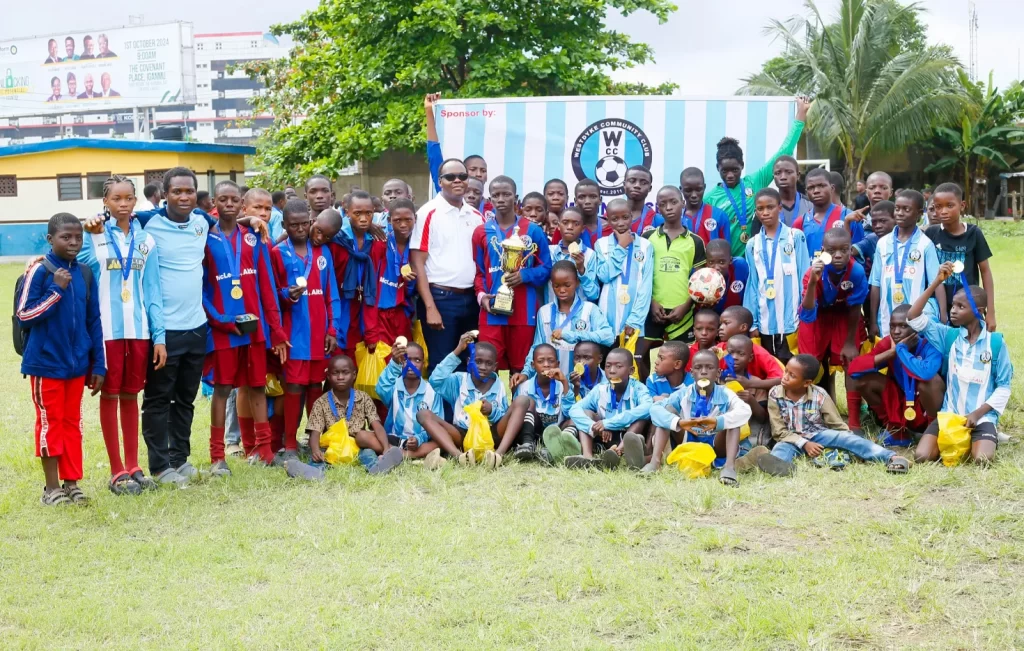
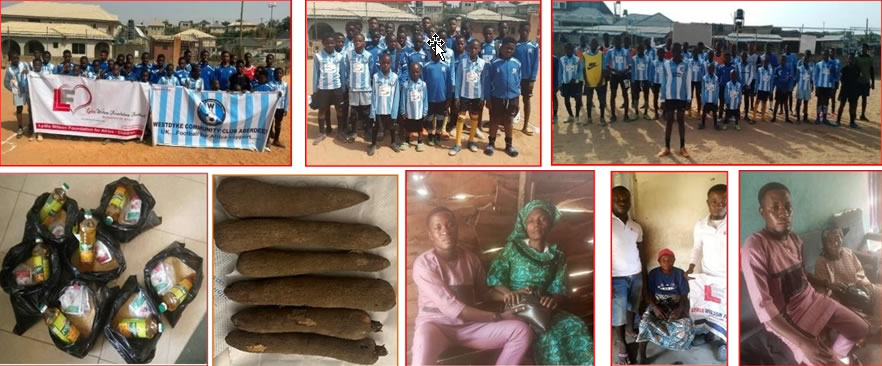
Happy new year to you and welcome to 2025. We are fortunate to keep the Foundation going thanks to the support you provide as our partners over the years. As we start the year, we want to share our heartfelt gratitude for your continued support during what has been a challenging year for many in 2024. We’ve witnessed an unprecedented demand for support as vulnerable members of our communities struggle with the rising cost of living. Yet, through it all, your unwavering help has enabled us to respond swiftly and effectively to these growing needs. Our Year in Review Supporting Vulnerable Families This year has seen significant growth in our support network. We now assist over 74 widows and over 110 children through direct financial support and empowerment programs. We’ve provided essential food parcels and helped with basic living expenses, ensuring families can maintain their dignity during difficult times. Festive Support December has been a particularly active month for the foundation. We provided festive food parcels to over 40 widows in Nigeria, bringing joy during the holiday season. Locally in Scotland, we partnered with Westhill community church to prepare and distribute festive hampers to Foodbanks, ensuring everyone could celebrate during this special time of year. Education Support We’re proud to report that all children in our program have continued their education without interruption. We have recorded new Universities and high schools admissions, with amazing results from high schools and lots more. Our support has included but not limited to providing: Annual Football Tournament – The 2024 LWF football tournament was held in Lagos, Nigeria, on October 5th. This exciting event saw over 100 children displaying excellent football skills. In partnership with WestDyke Community Football Aberdeen, 5 Stars of Egbeda, and Football Ambassadors Lagos Nigeria, we supported over 100 kids. Healthcare Making a Difference In May 2024, we celebrated World Menstrual Hygiene Day with a groundbreaking initiative. Working with RADi, one of our local partners in Kaduna Nigeria, we trained over 11 women in making reusable sanitary pads. These women are now sharing their skills within their communities, creating a sustainable impact. We’ve also continued providing emergency medical support to vulnerable community members, with a special focus on maternal healthcare. Refugee & Asylum Seeker Support Our partnership with Westhill Community Church Aberdeen in Scotland continues to flourish. We’ve provided essential care packages including clothing, hygiene items, and toiletries to those arriving with minimal possessions and currently hosted as refugees. Our Change Agents A special thank you to our dedicated volunteers – Our Change Agents. Their tireless commitment has been crucial in delivering our services and responding to increasing community needs selflessly. Looking Forward to 2025 Growing Our Support Network Building on our current base of 74 widows and 110 children, we aim to extend our reach to more vulnerable families. With the cost-of-living challenges continuing to affect our communities, we’ll strengthen our food security programs and essential support services. Our goal is to develop more sustainable solutions that help families build long-term resilience. We would also like to extend an invitation to more volunteers from any background. Expanding Educational Support We’ll continue our successful education programs while looking to increase the number of children we can support through our annual scholarship programme. By working closely with schools in Nigeria, we aim to create more comprehensive educational support packages that include not just fees, but all essential materials and uniforms. New Trustees Announcement We are pleased to welcome John and Christine to the leadership as trustees of the foundation. Both will be bringing invaluable experience to help shape our activities as we look forward to more successes in the years to come. Summary Finally, LWF would love to continue to do more in this area if we can grow funds for operation. All we have achieved and still hope to achieve is only possible with your continued financial support. Your donations make the following difference: To make donations, please visit our website, www.lydiawilsonfoundation.org. Alternatively, if you wish to make a One-off payment or to set up a frequent donation please drop us an email at lydiawilsonfoundation1@gmail.com and we will respond with the bank account details. Please help us share with your friends and families the good work we are doing. This is by far the easiest way to grow financial support for the foundation. How You Can Help, visit our website today – Donate – Lydia Wilson Foundation Thank You Your support makes all of this possible. Together, we’re building stronger and more resilient communities. Lydia Balogun-Wilson

Lydia Wilson Foundation Newsletter January 2025 Read More »

April 2024 Newsletter

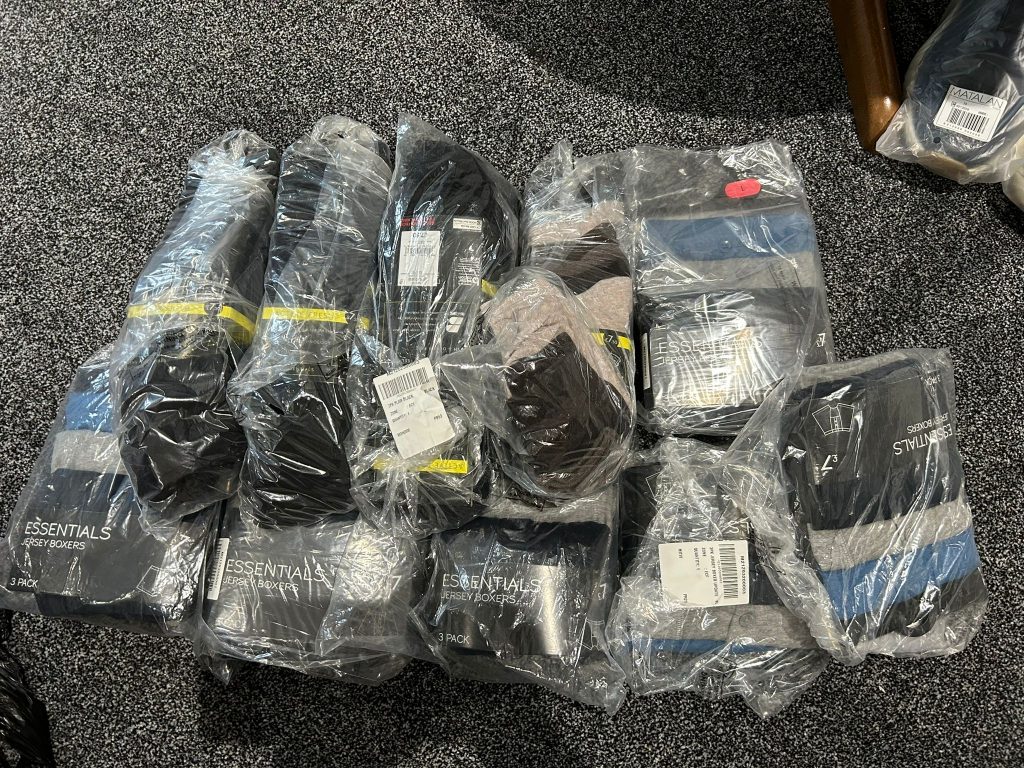
Welcome to spring and we hope you and your loved ones enjoyed the season. As we recently rounded up the first quarter of 2024, we give gratitude to each one of you for your support over the years. Below are some of our activities since you received our last newsletter back in December 2023: Continued support for Widows, Widowers and Orphans The high cost of living is truly biting hard and several of our widows are struggling to feed their families. We’ve had to occasionally send out food parcels and cover basic living expenses for them. We have four (4) more widows join our books and five (5) additional children bringing the total number that we support to 74 widow(er)s and over 110 children (including orphans) that are direct beneficiaries of our financial support and beneficiaries of our charity empowerment. Where required, we paid school fees for the second term and are currently getting ready to pay fees for the final term of the year. UK Refugee and Asylum seeker support The charity continues to partner with the local Westhill churches to support the provision of basic supplies of underwear, socks, shower gel, toothpaste and toothbrushes for the asylum seekers and refugees in Scotland. Most of these people fled with just the clothes on their back, so receiving these basic care packages could be precious. Beneficiary of the 2023 AfBE Gala award night fundraising event The Association for Black and Ethnic Minorities (AfBE) chose our foundation as one of the charities spotlighted at their 2023 Gala award night. We received a generous donation. Supports like this goes a long way to making a difference to our beneficiaries, we are truly grateful. Summary Our committed volunteers called Change Agents, help us to achieve most of our activities and we appreciate them. Finally, LWF would love to continue to do more in this area if we can increase funds for operation. All we have achieved and still hope to achieve is only possible with your continued financial support. Your donations make the following difference: £20 pays for 1 child’s school stationery for a £30 pays for 1 child’s school fees for 1 term £60 pays for a child’s uniform over the school year £80 pays for a child’s clothing essential for a year £150 provides emergency medical bills for pregnant women with no support and relief materials to £300 pays for a child on our annual scholarship To make donations, please visit https://ugs.gpl.temporary.site/website_4bdce1bd/donate. Alternatively, if you wish to make a One-off payment or to set up a frequent donation please drop us an email at lydiawilsonfoundation@gmail.com and we will respond with the bank account details. Please help us share with your friends and families the impactful work that we are doing. This is by far the easiest way to grow financial support for the charity. We wish you all a joyful festive break and hope 2024 will be a much better year for us all. With gratitude, Lydia Balogun-Wilson President

April 2024 Newsletter Read More »

December 2023 NEWSLETTER

Season’s greetings to you and your loved ones. As we begin to wrap up the year 2023, we have witnessed a high demand from many vulnerable people in our communities who have struggled to cope with the rising cost of living. The Russian – Ukraine and the Israel-Hamas wars along with numerous natural disasters, have not helped the situation. While we are unable to meet every request tabled before us, our limited responses have been made possible by your financial commitment to the foundation and for this, we are profoundly grateful. Below are some of our activities since you received our last newsletter: Support for refugees in Scotland We continued our collaboration with our local partners and provided basic household items and winter clothing (winter socks, boxers, hats, gloves etc.) to the refugees in their care. Please pray for these refugees as they are separated from their families who are still stuck in the war-torn countries. Continued Support for widows and orphans in Kogi State We have continued to provide foodstuffs to multiple widows and their families during this festive season so that they have a meal on their table on Christmas and new year day. These items were purchased and distributed by one of our volunteers and the heartfelt gratitude and prayers offered by the recipients are a testament of how much the items made a difference. Support for kids in Egbeda Akowonjo slum areas of Lagos State The year 2023 has been an eventful one as one of our partners, Westdyke Community Football club donated vast amounts of used football kits to the youths and most of who are orphans in Nigeria. These items were delivered in September 2023, and they have all been put to effective use during their football training matches. During this festive season, we also provided foodstuff to the football team to give them a taste of Christmas. Continued support for Widows, Widowers, Orphans The foundation continues to support numerous widow(er)s and their children who are struggling. We now have 70 widow(er)s and over 105 children (including orphans) that are direct beneficiaries of our financial support and business empowerment. Where required, we pay school fees and GCSE exam fees for some of these children. Our desire is to reach out to more. Bursary support for tertiary tuition fees We now support 12 Nigerian university students that we sponsor through tertiary education. Three of the students we support, recently graduated and are heading off to Nigerian National Youth Service (NYSC) programme. Local UK community support We continue to donate to the local foodbank of Westhill community church. We know that some members of our local community are suffering, and we want to help as best as we can. Summary Finally, LWF would love to continue to do more in this area if we can increase funds for operation. All we have achieved and still hope to achieve is only possible with your continued financial support. Your donations make the following difference: £20 pays for 1 child’s school stationery for a £30 pays for 1 child’s school fees for 1 term £60 pays for a child’s uniform over the school year £80 pays for a child’s clothing essential for a year £150 provides emergency medical bills for pregnant women with no support and relief materials to £300 pays for a child on our annual scholarship To make donations, please visit our donation page, https://ugs.gpl.temporary.site/website_4bdce1bd/donate/. Alternatively, if you wish to make a One-off payment or to set up a frequent donation please drop us an email at lydiawilsonfoundation@gmail.com and we will respond with the bank account details. Please help us share with your friends and families the impactful work that we are doing. This is by far the easiest way to grow financial support for the foundation. We wish you all a joyful festive break and hope 2024 will be a much better year for us all.   With gratitude, Lydia Balogun-Wilson President

December 2023 NEWSLETTER Read More »

History made as Westdyke CC win the Scottish Cup in dramatic finale at Airdrie

Extra-time winner secures the Scottish Cup for the juvenile club for the first time in their 27-year history. Westdyke Community Club are Scottish Cup champions for the first time in the club’s history. The Westdyke under-13s team, who play in the A League of the Aberdeen and District Juvenile FA, beat Airdrie Pumas 2-1 in extra-time in Airdrie to win the cup for the first time on Sunday. Coach David Dunn was thrilled to see his 2010 squad lift the cup, but insists the win is one for everyone at the club. He said: “What a day yesterday for us. “It’s such a difficult competition. We started with 426 teams at this age group, so to go and win it is incredible. “To get to a final is a huge achievement in its own right but to go and win it is massive for everyone involved, not just the team but the entire club. “It’s the first time Westdyke Community Club has won the Scottish Cup since it started 27 years ago, so this is absolutely huge. “For the boys it’s great, but it’s for everybody to be honest as it is a real team effort behind the scenes. “We’re coaches, but this isn’t for us – it’s for the kids. It’s their achievement, but my goodness the boys were absolutely outstanding. “It’s a lifelong memory for them.” Westdyke backed by well-wishers on video and a bumper travelling support Westdyke were cheered on by family, friends and clubmates as they came from behind to win the cup in the most dramatic of circumstances. The team also received video messages wishing them good luck from Gothenburg Greats Gordon Strachan and Neil Simpson, to current players Jonny Hayes, Graeme Shinnie and Joe Lewis, as well as others from Pittodrie and further afield. Dunn was grateful for the support. He said: “We had a terrific video wishing us well from the Aberdeen team coach for the final to try to make the game as special as we could. “We had a supporters’ bus of our own team’s parents and the other 2010 team also came down. “We split into two 11-a-side teams as we moved to the competitive structure, so there’s Westdyke CC, which is us, and Westdyke Thistle. “All the players and parents came down to support us and it was fantastic from everyone involved.” A fitting finale for the big game The final itself lived up to the billing with Westdyke rallying from 1-0 down at half-time to force extra-time before winning the cup in the dying seconds of the additional 30 minutes. Dunn said: “We were 1-0 down after a very difficult first half. “We didn’t settle and Airdrie Pumas did. They came at us and got their goal after a ricochet between two of our defenders allowed their striker to nip in and score. “We changed formation at half-time to try to get ourselves back into the game. We play 35 minutes each way so we had to go for it and the boys stepped it up a notch. “They were brilliant in the second half and got the equaliser through Lucas Stephen to take the game to extra-time. “Louie Scott then scored with the final kick of the ball at the end of extra-time for us to win the game.” The cup winners partied their way back to the north-east on Sunday night – but they will quickly be back into the fold tonight as their focus turns to their outstanding league fixtures. Dunn said: “We’ve been a victim of our own success in some ways. “The Scottish Cup takes precedence over the league games so, as we’ve progressed, the league games have backed up. “We still have five league games to play. “We’re back in action tomorrow at Balmoral Stadium against Cove Rangers for a very tough game. “We play again at Lawsondale on Thursday, then again on Sunday, so the games keep coming. “We normally train Wednesdays and Fridays, but it is very light just now on Wednesdays-only, where we work on set-pieces and things like that. “Training is very light at the moment, but the boys are loving it.”

History made as Westdyke CC win the Scottish Cup in dramatic finale at Airdrie Read More »