Football Ambassadors FC Win Lydia Wilson Foundation Charity Cup 2026
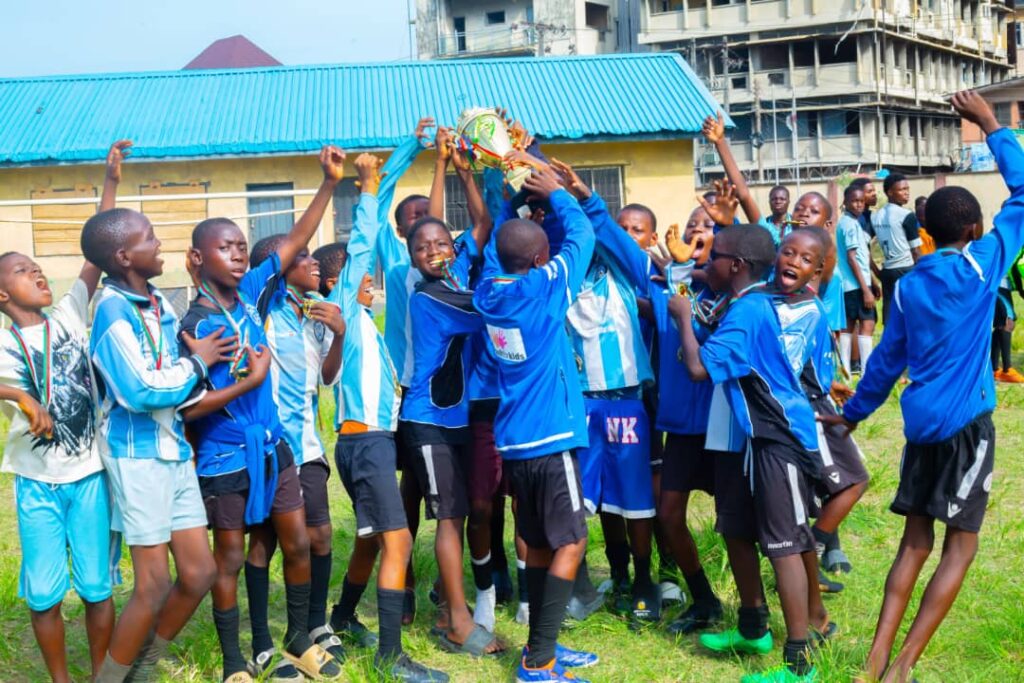
Football Ambassadors FC lifted the coveted Lydia Wilson Foundation Charity Cup and received gold medals, while runners-up 11 Stars FC were presented with silver medals. Eight outstanding players at the tournament, including three female participants, also received special awards and cash prizes in recognition of their talent, discipline and dedication.
Lydia Wilson Foundation Launches “Bake To Empower” Campaign to Empower 999 Women and Children in Northern Nigeria
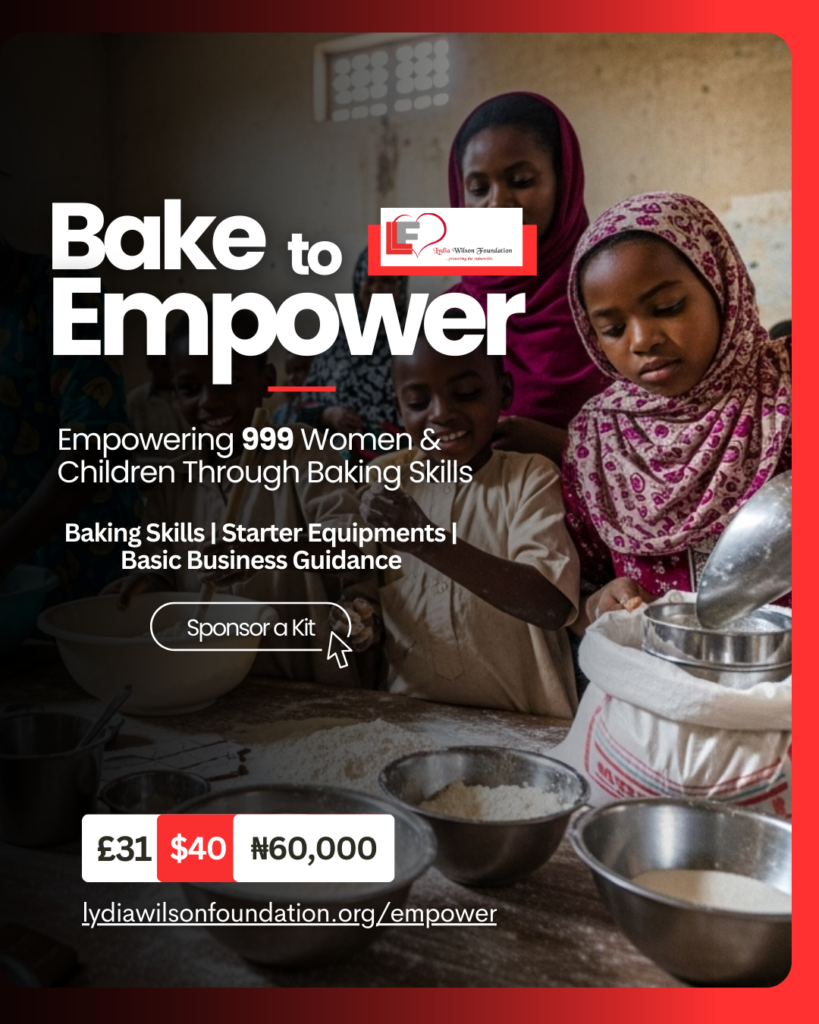
In response to this crisis, the Lydia Wilson Foundation has designed the Bake to Empower programme focused on sustainable empowerment rather than short-term food distribution. Drawing on its experience in community support and economic initiatives (e.g., ongoing widows empowerment and primary to tertiary education scholarships programmes) LWF aims to shift the conversation from relief dependency to income resilience.
Lydia Wilson Foundation Brings Christmas Cheer to Ukrainian Refugee Children in Sumgait, Azerbaijan
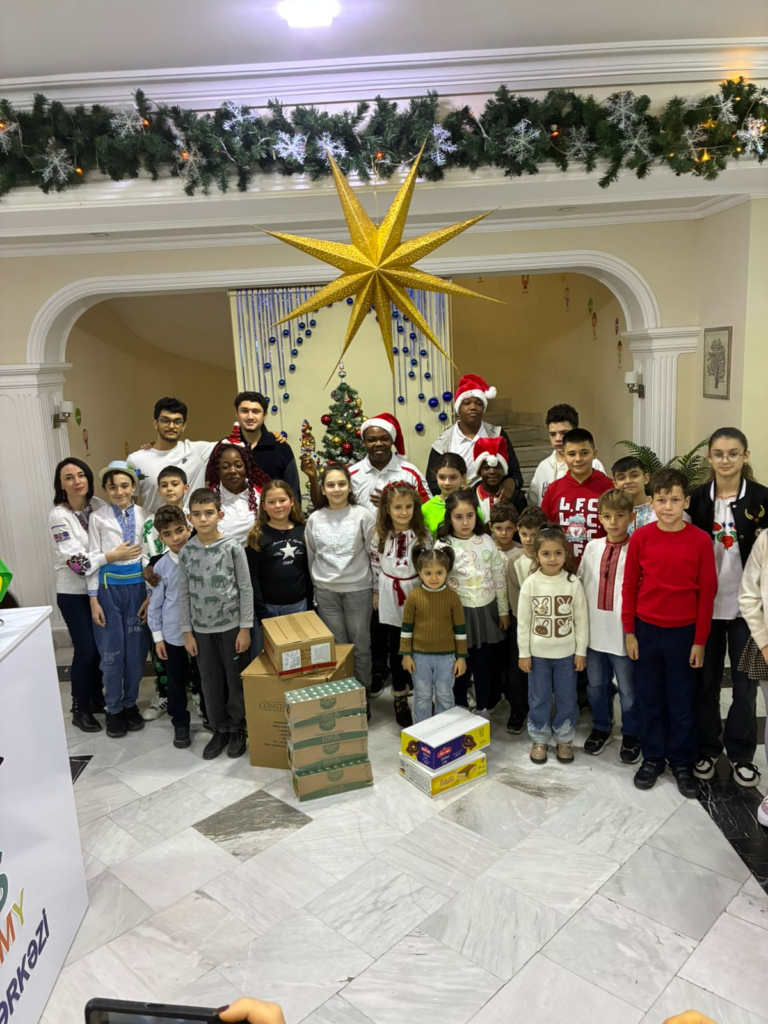
“We believe every child deserves a special Christmas, no matter their circumstances,” said a representative from the foundation. “Our visit today is a small token of love and solidarity to these resilient young souls.”
Lydia Wilson Foundation 2025 annual football tournament

Lydia Wilson Foundation’s 4th Annual Charity Football Tournament

Join us for the Lydia Wilson Foundation’s 4th Annual Football Tournament on July 5th, 2025, in Lagos, Nigeria! ⚽ This exciting event brings together football enthusiasts, families, and philanthropists to support a great cause. Your support will help empower less privileged children in Africa through our charity initiatives. Let’s kick off a brighter future together! ? Please Donate now and be part of this impactful journey. Contact us to learn more about sponsorship opportunities.
Running for Humanity: Wilson Balogun’s 21KM Campaign of Compassion
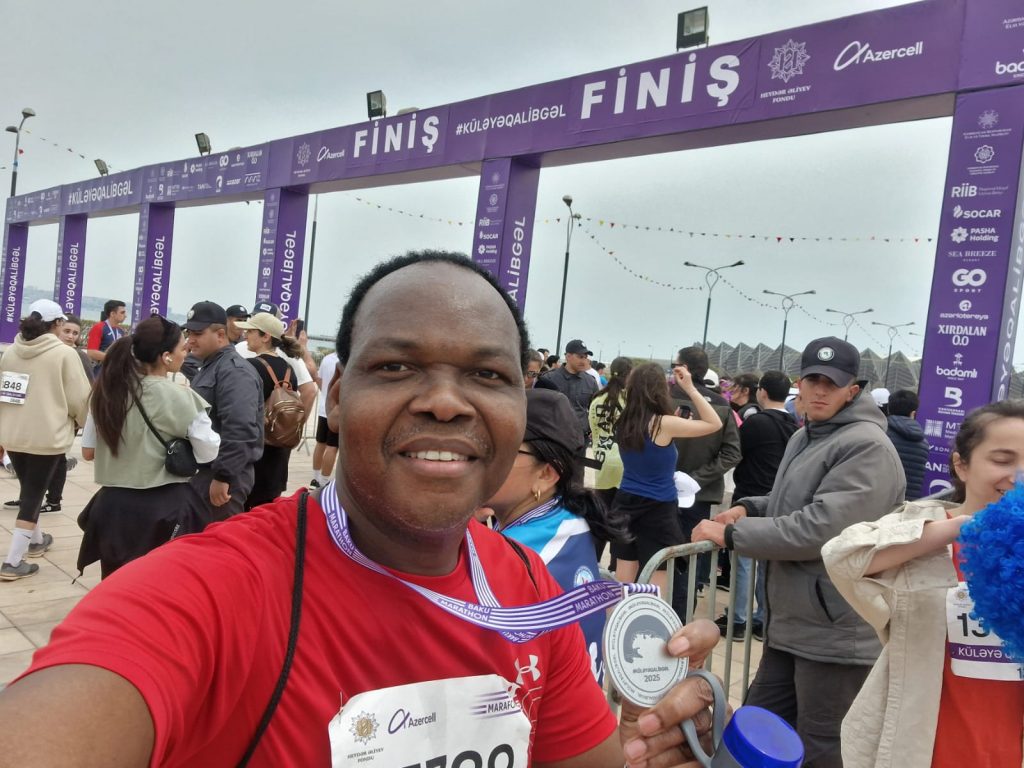
On May 4th, 2025, the Lydia Wilson Foundation proudly championed a remarkable initiative led by one of our own, Wilson Balogun. As he took on the Baku Half Marathon in Azerbaijan, his footsteps echoed far beyond the racecourse. This was not a competition against the clock—it was a global appeal to raise £2,500 for the vulnerable: orphans, widows, elderly citizens, and disadvantaged households. This effort was more than athletic endurance—it was a call to action and a reflection of our unwavering commitment to improving lives where help is needed most. Purpose in Every Step Wilson’s marathon was symbolic. Each kilometer represented the often-unheard voices of children yearning for education, women navigating widowhood without support, and seniors living in solitude. These individuals are central to our mission, and this run brought their stories into the spotlight. Rather than pursuing personal victory, Wilson dedicated his journey to advocacy—amplifying the Foundation’s impact and reaching hearts around the world. Who We Are: Lydia Wilson Foundation? The Lydia Wilson Foundation is a nonprofit organization focused on uplifting underprivileged groups through sustainable, community-based interventions. Our strategic programs are designed to meet essential human needs and restore dignity through: Every donation fuels these life-changing efforts. From a Single Post to a Global Movement The campaign began with one social media post. Wilson announced his participation in the Baku Half Marathon with a powerful message: “Every step I take is for someone waiting for a second chance.” That single post ignited waves of support. Contributions began arriving, encouragement came from all corners, and a ripple of compassion turned into a global movement. The response confirmed a universal truth—people are eager to be part of meaningful change. Training with Intention, Running with Resolve As race day approached, the preparation was both physical and emotional. Wilson trained consistently, but his true strength came from the purpose behind each session. Every stride served as a reminder of the lives he aimed to impact. From receiving his race number to the final countdown, he was not alone. Behind him stood a community of supporters who believed in the cause as much as he did. Race Day Reflections The streets of Baku were vibrant on the morning of May 4th. Thousands gathered to test their limits, but for Wilson, the marathon was a platform to amplify awareness and compassion. As he crossed the finish line, it wasn’t just a personal milestone—it marked the beginning of a new chapter of giving. Together, with the backing of generous donors, we exceeded our goal and raised £2,680. A run completed. A mission advanced. A difference made. Real Outcomes, Tangible Change The success of this campaign is already creating visible impact: Each contribution turned possibility into progress. Why This Matters At the Lydia Wilson Foundation, we believe progress begins with purposeful actions. Wilson’s 21KM run was a powerful example of how individuals and institutions can collaborate to champion human dignity. Advocacy doesn’t always require a platform. Sometimes, it simply needs a determined heart and a clear goal. This journey was a testament to that belief. There’s More Work Ahead—Join Us While this campaign has concluded, our work continues daily. Vulnerable families still need support. More children still need education. And hope must be continually restored. We invite you to stay engaged: ? Make a contribution: https://bit.ly/4hXIBDA? Share this campaign: Inspire others to join? Partner with us: Create lasting change with your network Together, we can keep transforming compassion into action.
TOGETHER, WE MADE IT ! £2,680 raised so far !!!

From the starting line to 21km, every step was powered by purpose — to support the mission of Lydia Wilson Foundation Charity. ? I crossed the finish line with your love, prayers, and donations.But this is just the beginning. ? Let’s keep the mission alive — to uplift orphans, empower widows(ers), and support the elderly.? You can still donate here: https://bit.ly/4hXIBDA? Help Share this. Inspire someone. DrWilsonBalogun #LydiaWilsonFoundation #CharityRun #WeDidIt #RunForHope #GlobalGiving #AfricaToTheWorld
Lydia Wilson Foundation Fundraising
On May 4th, 2025, I will be running 21km in the Baku Half Marathon — not just for the finish line, but to raise £2,500 for the Lydia Wilson Foundation’s mission to help support the vulnerable in our society. ? Every step I take is for someone who needs support. ? To support my cause, please donate through this link https://bit.ly/4hXIBDA? Kindly share this post DrWilsonBalogun #LydiaWilsonFoundation #BakuHalfMarathon #CharityRun #SupportAndDonate #RunForHope #GlobalGiving #AfricaToTheWorld@anthonyjoshua @stylebender @davido @mazitundeednut @verydarkblackman
US health funding cuts: what Nigeria stands to lose
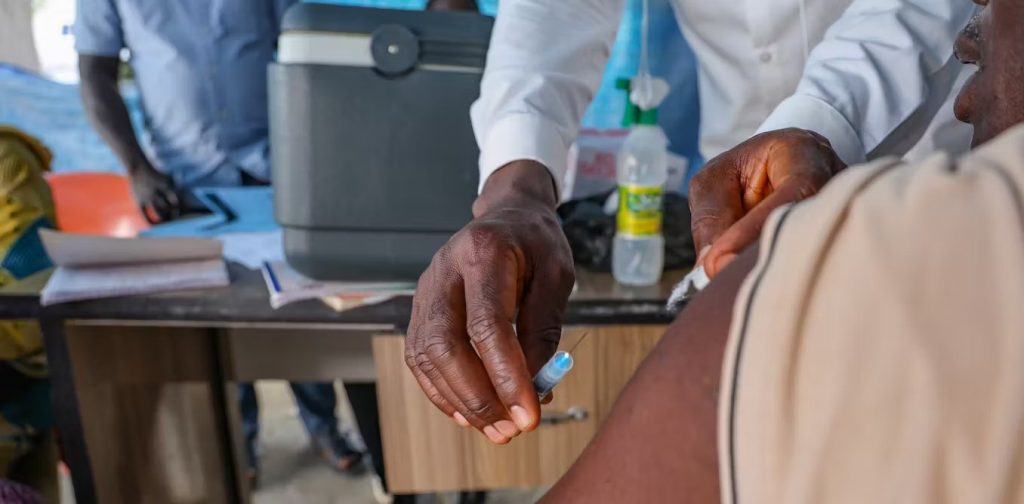
US president Donald Trump’s decision to withdraw the US from the World Health Organization is threatening funding for critical health programmes like HIV/Aids and tuberculosis in different parts of the world, including Nigeria. The Conversation Africa’s Adejuwon Soyinka asked professor of virology and former WHO Africa regional virologist Oyewale Tomori why Nigeria is heavily dependent on US funding for some of its health programmes, what’s at risk and how to mitigate the impact. How dependent is Nigeria on US funding for health?Sadly, Nigeria and many African countries are too dependent on US funding and other donor funding for basic health activities and interventions. These activities are the normal function of a good and responsive government which is committed to the welfare of citizens. According to a US embassy publication, since 2021, the US has committed to providing nearly US$20 billion in health programmes in Africa. The report says in 2023 alone, the US invested over US$600 million in health assistance in Nigeria. That is about 21% of Nigeria’s 2023 annual health budget. Nigeria has, over the years, allocated on the average about 5% of the national budget to health. Three quarters of that covers recurrent expenditure like salaries. Nigeria’s proposed 2025 budget is ₦49.74 trillion (US$33 billion), of which ₦2.4 trillion (US$1.6 billion) (4.8%) is allocated to health. This is lower than the 5.15% allocated to health in the 2024 budget. The private sector plays a significant role in the Nigeria’s healthcare system, providing close to 60% of healthcare services. In recent years, traditional medicine is increasingly offering complementary and alternative medicine in support of the services provided by the federal, state and local government areas levels. What health programmes does the US fund in Nigeria?The US support is focused on preventing malaria, under the US President’s Malaria Initiative; ending HIV, through the US President’s Emergency Plan for AIDS Relief; and delivering vaccines (COVID, polio, rotavirus, IPV2 and HPV). Malaria is a major public health concern in Nigeria. In 2021, there were an estimated 68 million cases of malaria and 194,000 deaths. Nigeria has the highest burden of malaria globally, nearly 27% of the global malaria burden. Nigeria has a high burden of HIV – fourth in the world. A large number of Nigerians live with the virus. The national agency responsible for AIDS control reported a rate of 1,400 new HIV cases per week in 2023. Nigeria has experienced outbreaks of yellow fever, meningitis, cholera, Lassa fever and COVID-19. In addition to helping with managing these major diseases, the US government also provided funds to strengthen the country’s ability to prevent, detect, respond to and recover from emerging public health threats. With these funds, a Public Health Emergency Management Programme was established and national disease surveillance systems were upgraded. Nigeria’s laboratory diagnostics were enhanced to test for Ebola, mpox, yellow fever, measles, Lassa fever, cholera and cerebrospinal meningitis. Other countries (Japan, Germany, Canada, the UK) also provided support through building and equipping laboratories and training health workers. What’s most at risk?Interventions most at risk are those of which the Nigerian government has abdicated its responsibilities to the donors. They include provision of rapid diagnostic tests for malaria, insecticide-treated bed nets, malaria preventive treatments in pregnancy, provision of fast acting malaria medicines and insecticide for home spraying. The following HIV interventions are likely to be adversely affected: HIV counselling and testing services, especially for pregnant women to prevent mother-to-child transmission of HIV, and the care of people living with HIV with TB/HIV services, as well as care and support for orphans and vulnerable children. Sustaining laboratory capacity for rapid disease diagnosis will suffer a major setback with reduced or lack of reagents and consumables. A huge amount of laboratory equipment is provided by donors. Servicing and replacement of equipment will be affected. The Nigerian health sector’s challenges include inadequate funding, shortage of healthcare professionals, poor access to healthcare due to cost, poor infrastructure, and high prevalence of preventable diseases. Cutting off US money is not likely to affect the shortage of healthcare professionals, as the major reason for the shortage is their deteriorating work environment and unsafe social environment. This environment was created by years of economic downturn and social insecurity in Nigeria. Why is Nigeria still so reliant on US funding?I think Nigeria lacks national pride as it begs for assistance to provide what it already has the resources for. The government seems to place the well-being of the citizens on a secondary status. Many African governments assume the world owes Africa compensation for colonial activities. But to me, the danger to Nigeria’s freedom from dependency is not truly knowing what we are, who we are, and how endowed we are. The world describes Nigeria as “resource limited” and, without thinking, Nigerians accept such name calling. Nigeria is not resource-limited, it is resource wasteful. Nigeria is not resource constrained; it is corruption constrained. Until Nigerians know who and what we are, we will never find the solution to our problems. Nigeria’s acceptance of the tag “resource-limited” drives it to beg for assistance even in areas of its highest capability, capacity and competence and where it has highly trained people. Like disease prevention and control. Africa has since the 1960s experienced numerous outbreaks of diseases and has acquired significant expertise in disease prevention and control. An example is the 2014 Ebola outbreak in Nigeria, which was brought under control within three months with only 20 cases and eight deaths. This was a disease that raged for three years and ravaged three countries: Guinea, Liberia and Sierra Leone. It was reported in seven others with 28,600 cases and 11,326 deaths. In Nigeria, the country coordinated response activities which were anchored on the participation of the community. The community was part of disease investigation, contact tracing, isolation of cases and adoption of infection, prevention and control interventions. How can Nigeria mitigate the impact?Nigeria must immediately provide emergency funds to cover the shortfall arising from the action of the US government. What
‘People are going to die’: USAID cuts create panic in Africa
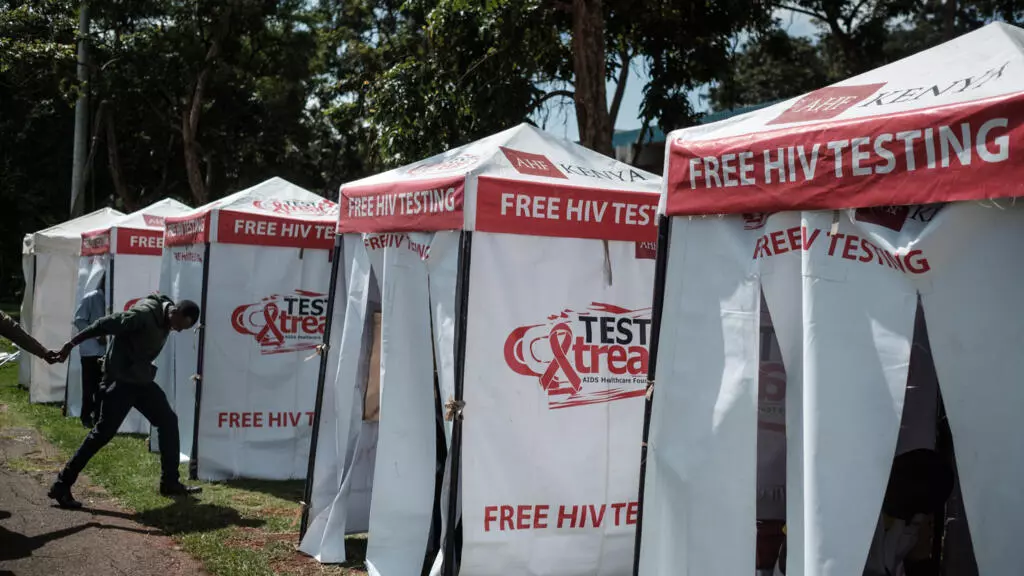
Trump last week ordered a suspension of foreign assistance, while his billionaire ally Elon Musk has boasted he is putting the vast US humanitarian agency USAID “through the woodchipper”. That has included a 90-day suspension of all work by the President’s Emergency Plan for AIDS Relief (PEPFAR), which alone supports more than 20 million HIV patients and 270,000 health workers, according to an analysis from the Foundation for AIDS Research (amfAR). Among its programmes, PEPFAR currently provides anti-retroviral treatments to 679,936 pregnant women living with HIV both for their own health and to prevent transmission to their children, the analysis said. “During a 90-day stoppage, we estimate that this would mean 135,987 babies acquiring HIV,” it said. Advertising US Secretary of State Marco Rubio, who has been named acting head of USAID, has said “life-saving treatments” would be exempt from the freeze. But frontline workers in Africa say facilities have already shut down. Trump has frozen aid programmes, while his billionaire ally Elon Musk has boasted he is putting USAID ‘through the woodchipper’Trump has frozen aid programmes, while his billionaire ally Elon Musk has boasted he is putting USAID ‘through the woodchipper’ © Frederic J. BROWN, Brendan SMIALOWSKI / AFP/File“As we speak nothing is going on,” said Aghan Daniel, head of a USAID-funded team of Kenyan science journalists providing information on health issues. He told AFP research projects had abruptly stopped, even for patients midway through experimental treatment programmes. He highlighted the MOSAIC (Maximizing Options to Advance Informed Choice for HIV Prevention) project, funded under PEPFAR, which tests new drugs and vaccines. “The people who were the study candidates are going to have adverse health results because the study has just stopped all of a sudden,” Daniel told AFP. His own team of six science journalists have all lost their jobs, too. “A lot of people are going to die because of lack of knowledge,” he said. “One of the key approaches to bringing down HIV numbers in Africa is through provision of information. This includes raising awareness about sex, as well as treatments like lenacapavir (an antiretroviral), pre- and post-exposure prophylaxis and other drugs.” ‘Life and death’Founded in 1961, USAID has an annual budget of more than $40 billion, used to support development, health and humanitarian programmes around the world, especially in poor countries. It is not just HIV programmes that have shuttered. A staff member of a USAID-funded programme in Kenya said Trump’s decision had landed “like a bombshell”, throwing people “into panic mode”. “We will have more people succumbing to these diseases like tuberculosis, cholera,” the source said. The charity itself is now unable to pay rent or salaries, with employees put on compulsory unpaid leave. At a USAID office in Addis Ababa, Ethiopia, AFP saw people clearing out their desks on Wednesday. Despite Rubio’s waiver, “a lot of uncertainty remains,” said a staff member at an NGO working on food security in conflict zones, who asked to remain anonymous. “What constitutes life-saving work? Are vaccines life-saving, or nutrition programmes for the severely malnourished?” he said. “Stopping some of these programmes even for a few days could make the difference between life and death for some of the people we serve,” he said. Like others, Daniel said the impact could have been tempered with adequate notice. “We have too many emergencies in the world -– we didn’t need to add another one,” he said.